a.lau.c Illustrations
  • Home
  • Contact
  • University
    • Year 1 >
      • Semester 1 >
        • Art history
        • Introducing visual communication >
          • The comic
          • Technical skills
          • Drawing and visualising
          • Colour, composition, and linear narrative
      • Semester 2 & 3 >
        • Multi-dimensional Illustration >
          • 2D
          • 3D
          • 4D
        • Visual problem solving >
          • DIY alphabet
          • Type talk
          • Mini briefs
    • year 2 >
      • semester 1 >
        • Drawing >
          • Life Drawing
        • Illustrators toolkit
      • Semester 2 >
        • The Critical Illustrator
        • Illustration Projects >
          • Conceptual Editorial Illustration
          • Literal Illustration
          • Children's Book
          • Protest Pack
          • Anne Magill
    • Year 3 >
      • semester 1 >
        • Advanced Illustration >
          • Stamps
          • Book Jackets
          • Self Authorship
      • Semester 2 >
        • Final Major Project >
          • A Safe Haven
  • Portfolio

Stamps 

Research - Mary Anning

10/2/2022

0 Comments

 
Picture
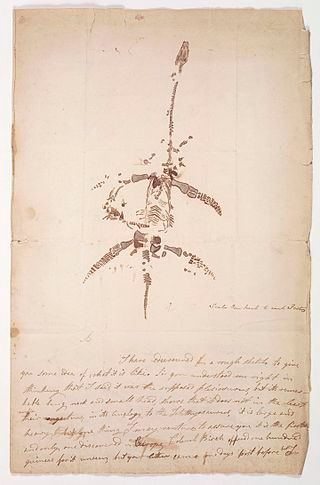
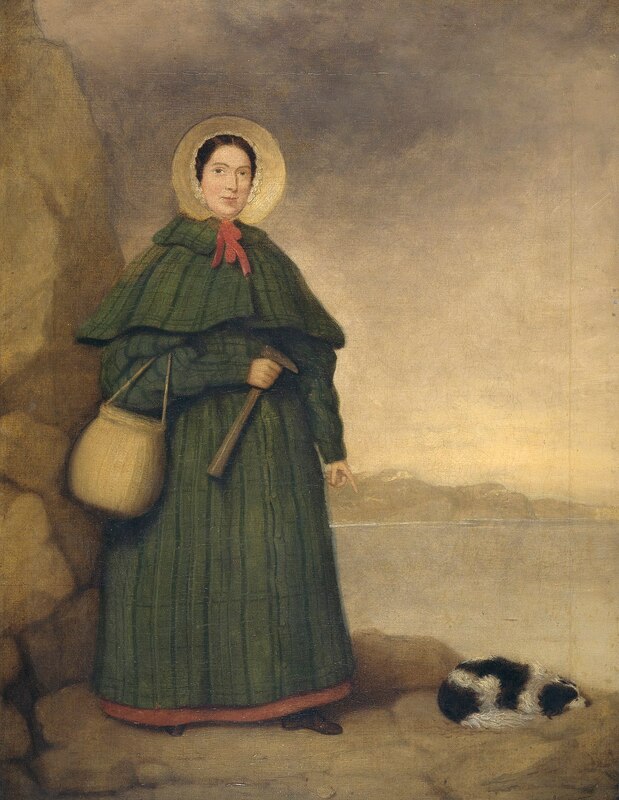
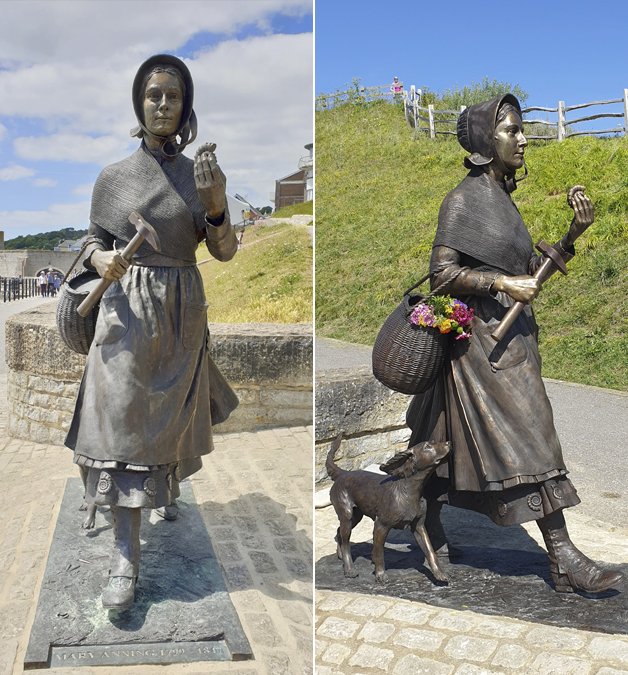
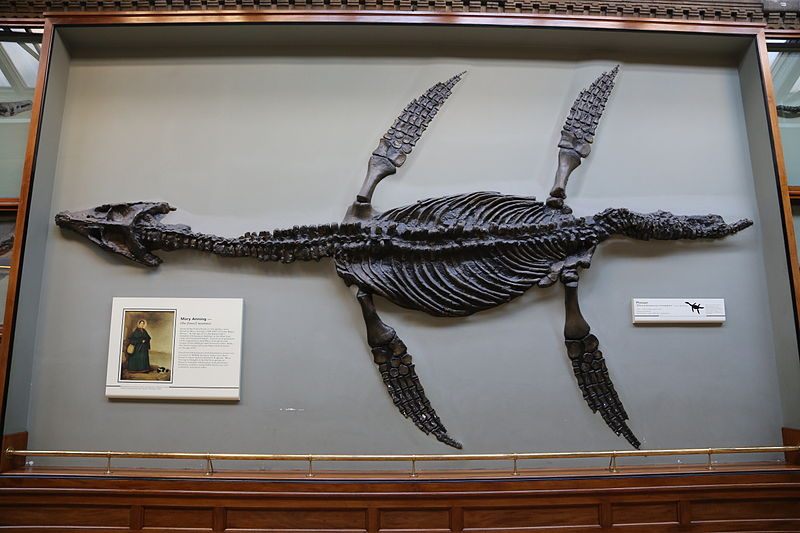
Mary Anning was a fossil collector and pioneering palaeontologist who was born and grew up in Lyme Regis, which is now known as the Jurassic coast due to the many fossils found there. Her interest in fossils began through her father who would allow her to accompany him on his search for fossils, showing her how to find them and clean them. The fossils they would find would be put in their shop as a way to make money, as Mary and her family were of the lower class and had very little money. This also meant she was unable to get a full formal education and had to teach herself geology and anatomy as fortunately she could read.
Picture

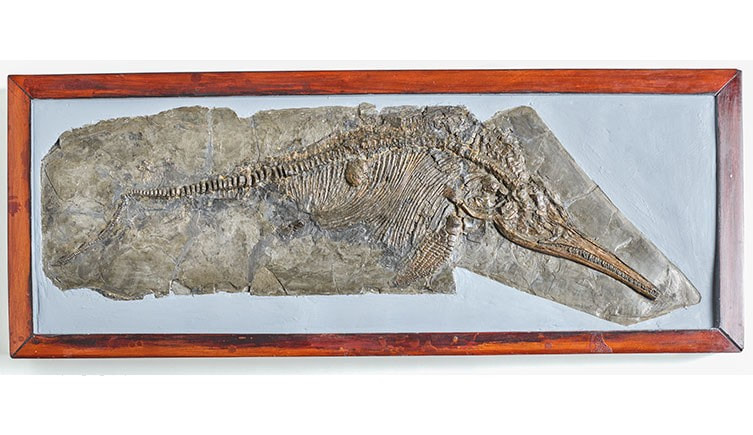
Anning's Discoveries 
Picture
Picture
Picture

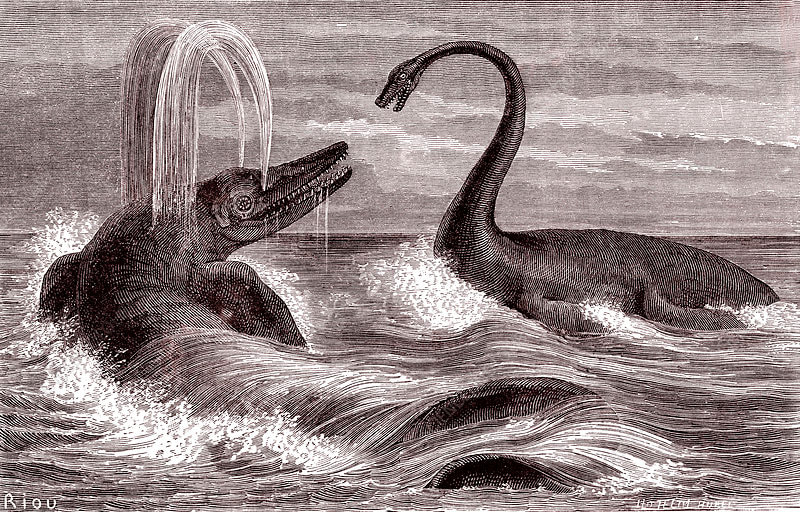
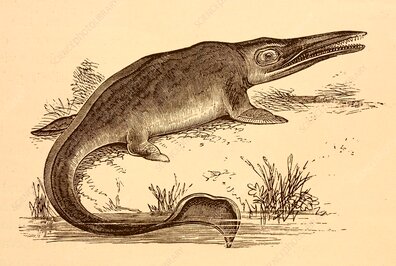
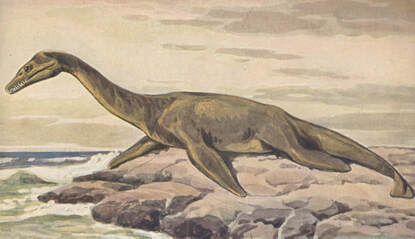
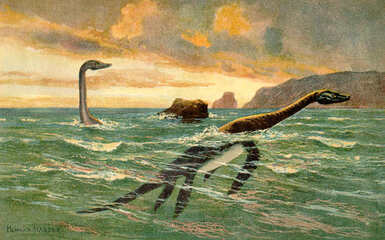
19th century depictions of a ichthyosaur and plesiosaur 

Picture
Picture
Picture
Picture

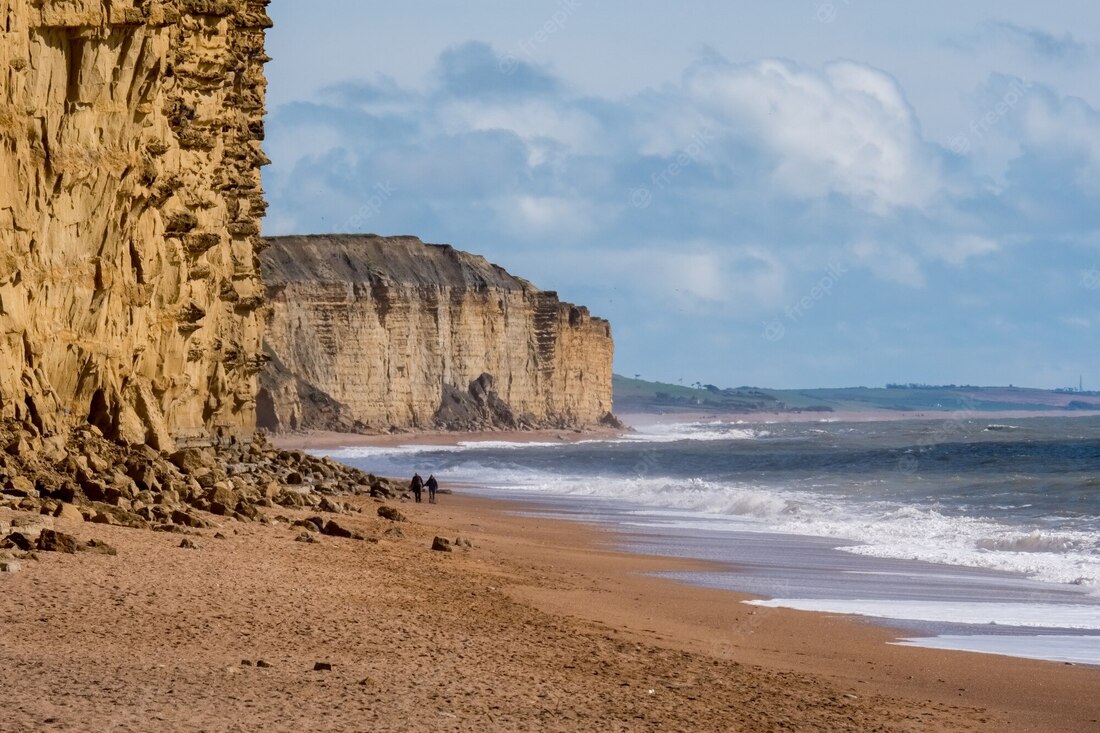
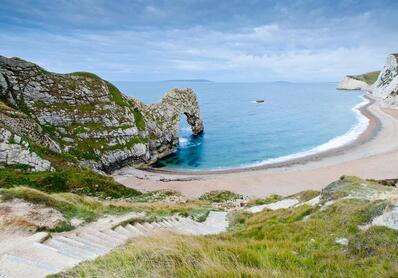
Lyme Regis - Jurassic coast 

Picture
Picture

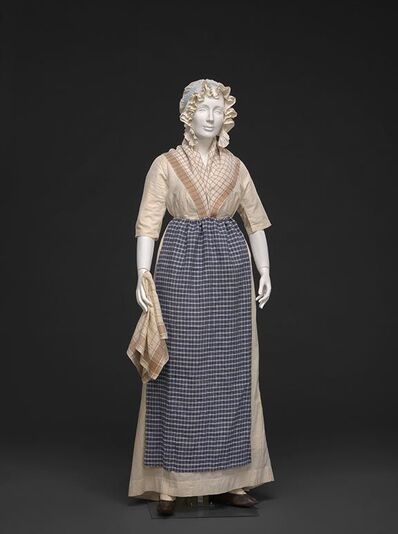
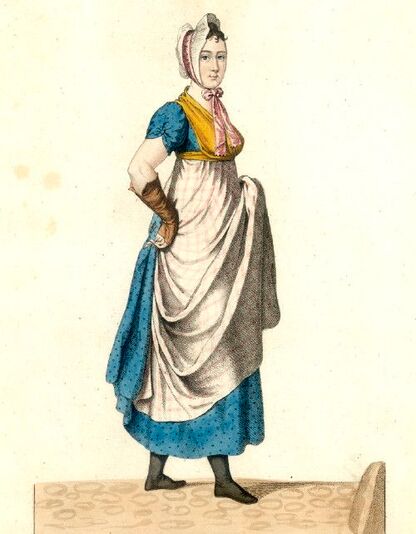
1820's Working women's clothing 

Mary Anning came from a low social status and her family were constantly trying to make money, so its unlikely she was wearing the same clothes as the fashionable elite of the time. Since the 1820's was the regency era, the empire waistline was all the rage and even though working women couldn't afford the fancy dresses of the time they could alter their garments to fit in with the trend.
Picture
Picture
0 Comments


Leave a Reply.

    Author

    Write something about yourself. No need to be fancy, just an overview.

    Archives

    December 2023
    October 2022
    September 2022

    Categories

    All

    RSS Feed

Site powered by Weebly. Managed by 34SP.com
  • Home
  • Contact
  • University
    • Year 1 >
      • Semester 1 >
        • Art history
        • Introducing visual communication >
          • The comic
          • Technical skills
          • Drawing and visualising
          • Colour, composition, and linear narrative
      • Semester 2 & 3 >
        • Multi-dimensional Illustration >
          • 2D
          • 3D
          • 4D
        • Visual problem solving >
          • DIY alphabet
          • Type talk
          • Mini briefs
    • year 2 >
      • semester 1 >
        • Drawing >
          • Life Drawing
        • Illustrators toolkit
      • Semester 2 >
        • The Critical Illustrator
        • Illustration Projects >
          • Conceptual Editorial Illustration
          • Literal Illustration
          • Children's Book
          • Protest Pack
          • Anne Magill
    • Year 3 >
      • semester 1 >
        • Advanced Illustration >
          • Stamps
          • Book Jackets
          • Self Authorship
      • Semester 2 >
        • Final Major Project >
          • A Safe Haven
  • Portfolio