a.lau.c Illustrations
  • Home
  • Contact
  • University
    • Year 1 >
      • Semester 1 >
        • Art history
        • Introducing visual communication >
          • The comic
          • Technical skills
          • Drawing and visualising
          • Colour, composition, and linear narrative
      • Semester 2 & 3 >
        • Multi-dimensional Illustration >
          • 2D
          • 3D
          • 4D
        • Visual problem solving >
          • DIY alphabet
          • Type talk
          • Mini briefs
    • year 2 >
      • semester 1 >
        • Drawing >
          • Life Drawing
        • Illustrators toolkit
      • Semester 2 >
        • The Critical Illustrator
        • Illustration Projects >
          • Conceptual Editorial Illustration
          • Literal Illustration
          • Children's Book
          • Protest Pack
          • Anne Magill
    • Year 3 >
      • semester 1 >
        • Advanced Illustration >
          • Stamps
          • Book Jackets
          • Self Authorship
      • Semester 2 >
        • Final Major Project >
          • A Safe Haven
  • Portfolio

Stamps 

Inspiration - Stamps

10/8/2022

0 Comments

 
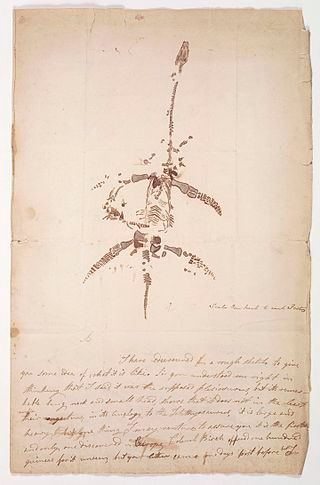
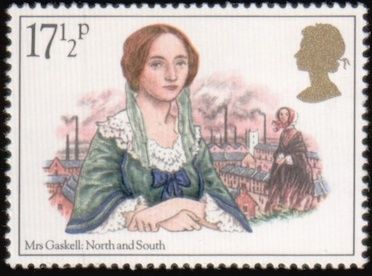
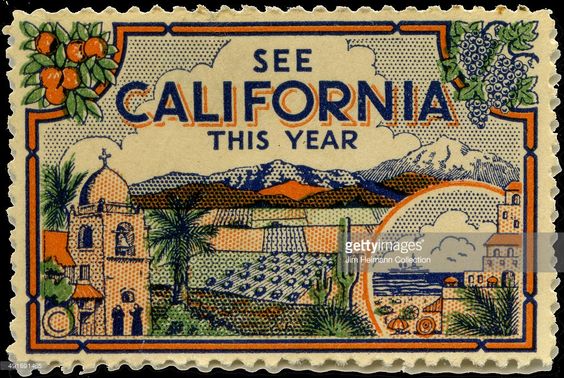
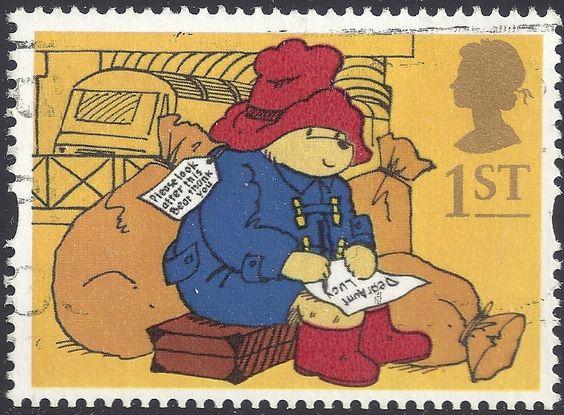
After I started researching my topic, which is British female scientists, I turned to looking at inspiration from existing stamps. I was able to find examples of stamps that focus on novels from British writers, and British explorers. 
Along with the British stamps, I looked at stamps that I find visually interesting or pleasing to the idea. I personally find the first three stamps above rather bland and dull because the colours are rather diluted and the compositions are very straightforward without interesting angels or perspectives. When it comes to my stamps I would like to make them look like they have life with the colours and composition. 
0 Comments
Research - Elizabeth Garrett Anderson

10/6/2022

0 Comments

 
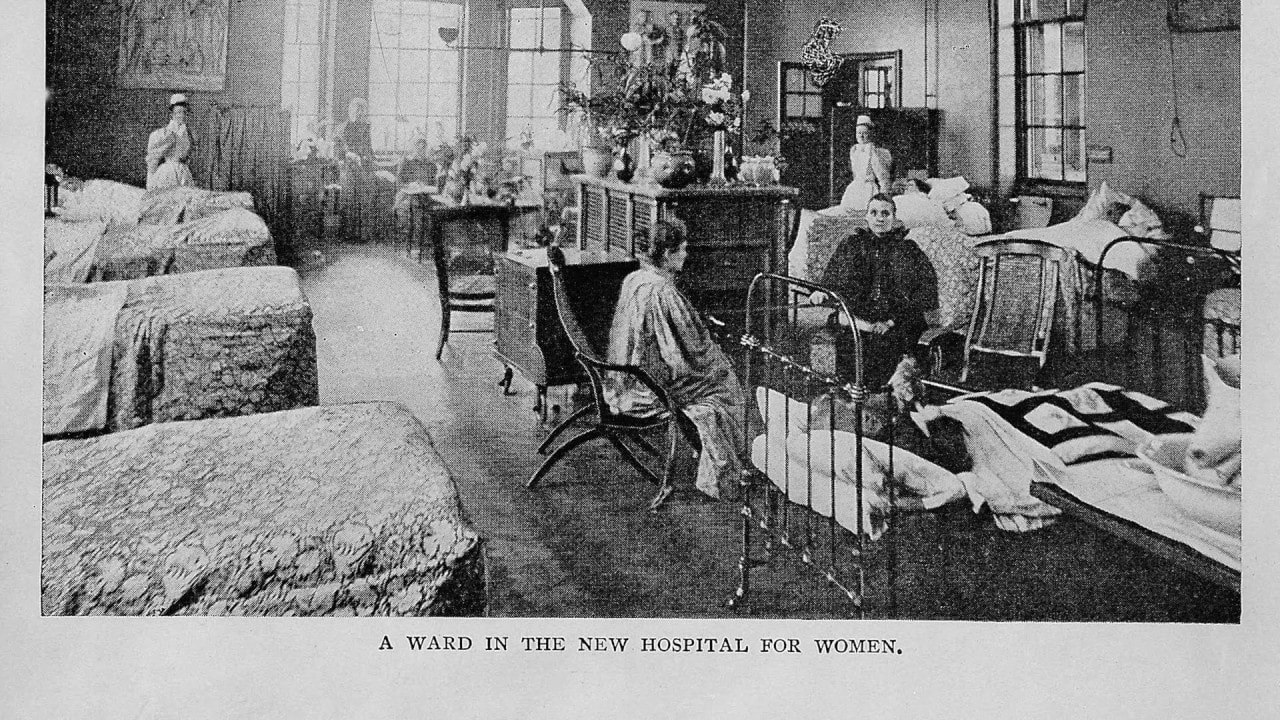
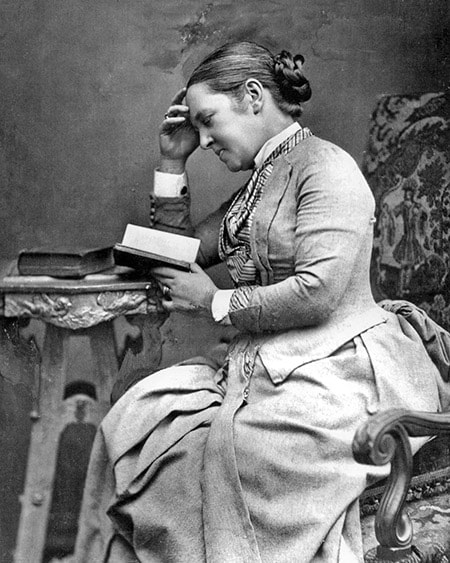
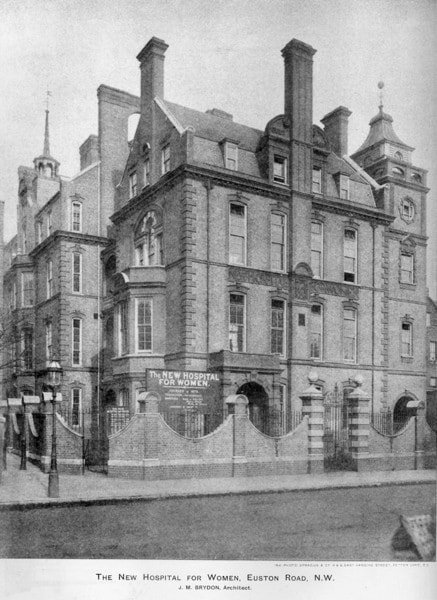
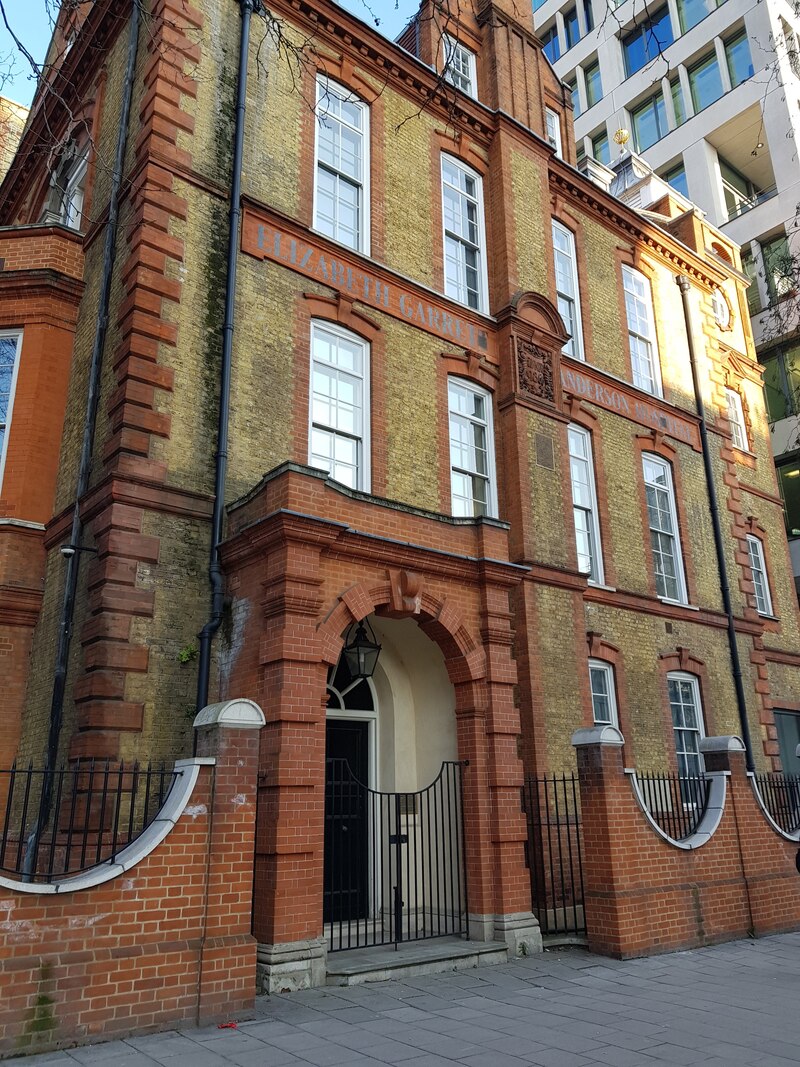
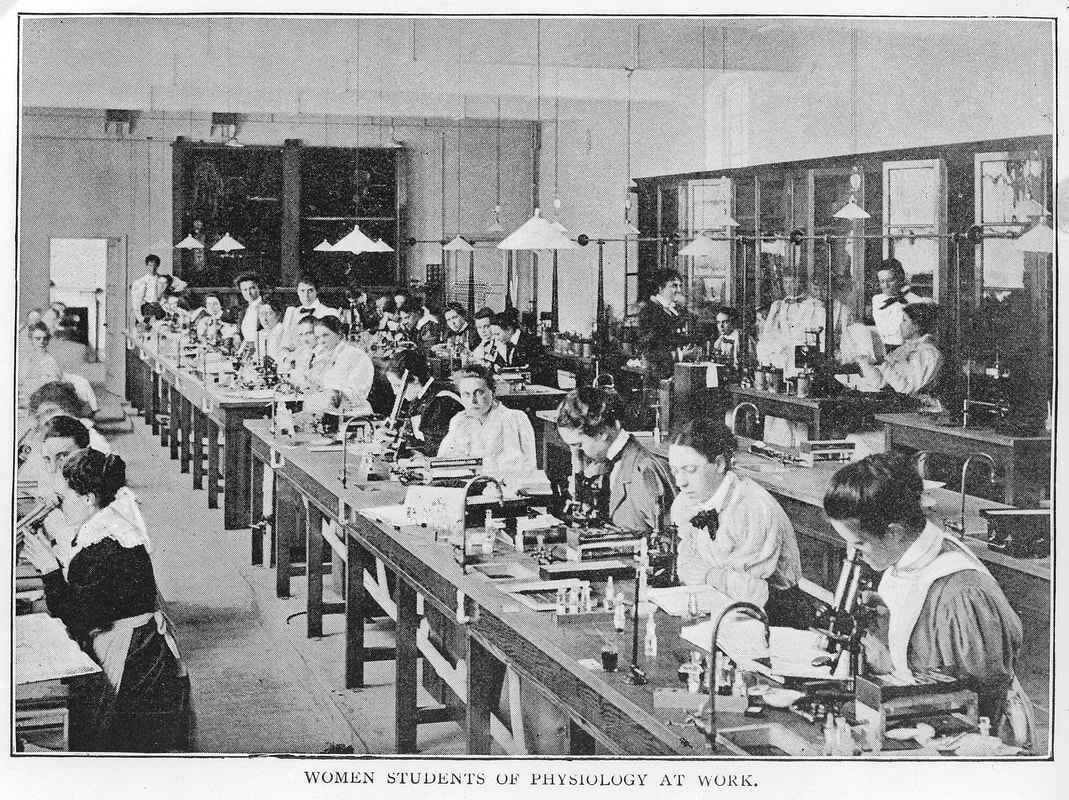
Elizabeth Garrett Anderson was the first woman in England to qualify as a doctor. To reach this point she had to overcome many obstacles as such things as a female doctor in the 19th century was unheard of. She made attempts to study as a doctor, for example enrolling as a nursing student and attending classes meant for doctors, but was eventually barred. Eventually she was able to pass the examinations needed to become a doctor. In 1872 she founded a hospital called the New Hospital for Women which was entirely staffed by women. Her efforts paved the way for an act that was passed in 1876 that would allow women to enter medical professions besides nursing, because of this she also eventually became the dean of a school of medicine for women. 
Picture
Picture
Picture
Picture
Picture

1870's Women's Clothing 

0 Comments

Research - Annie S.D Maunder

10/6/2022

0 Comments

 
Picture
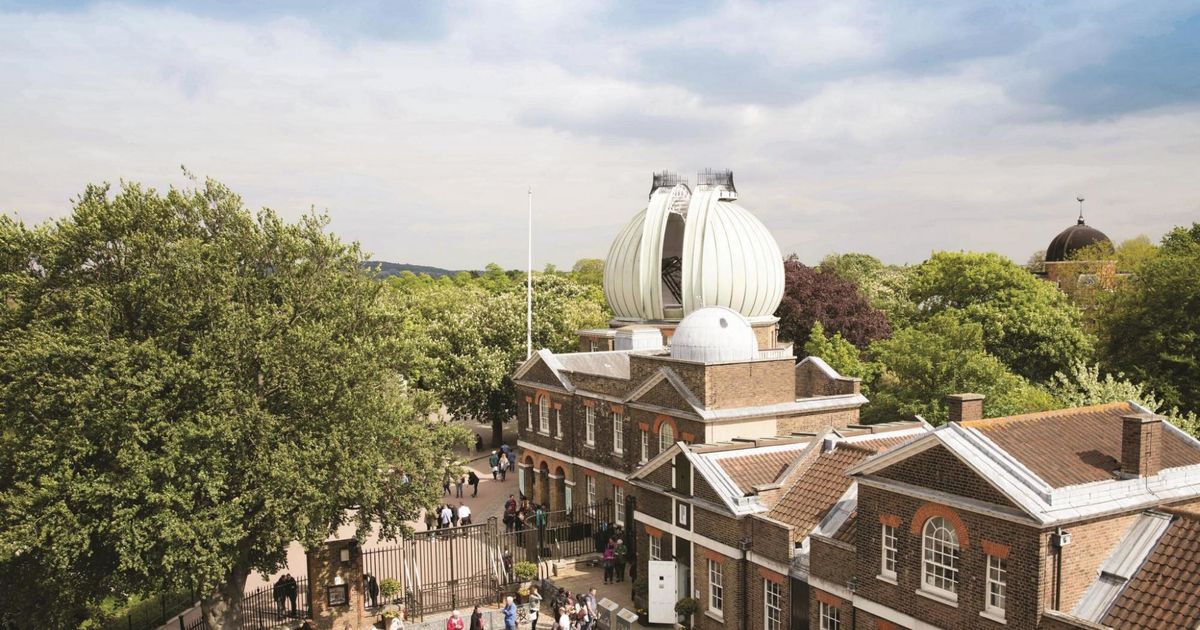
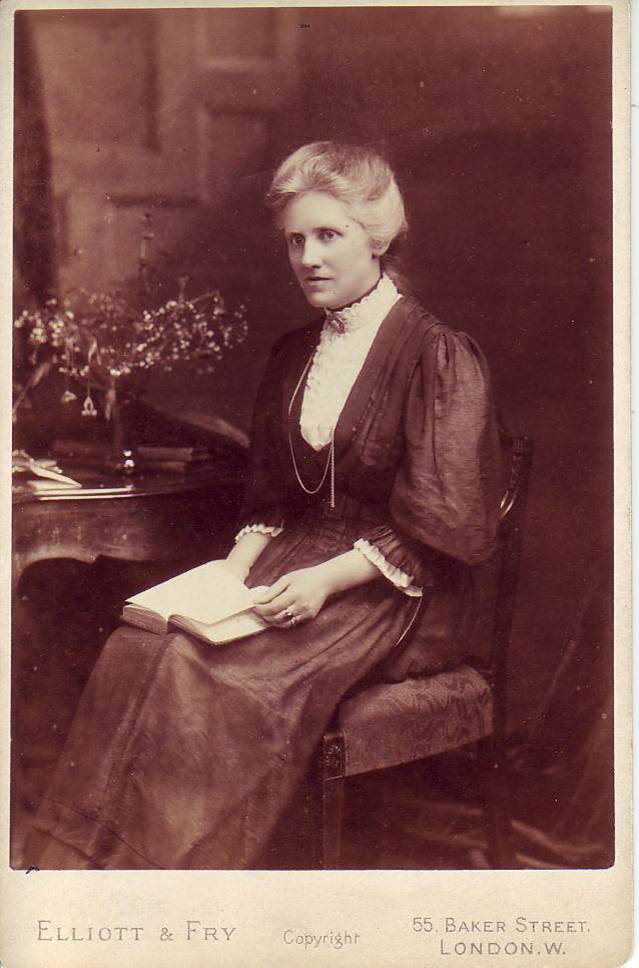
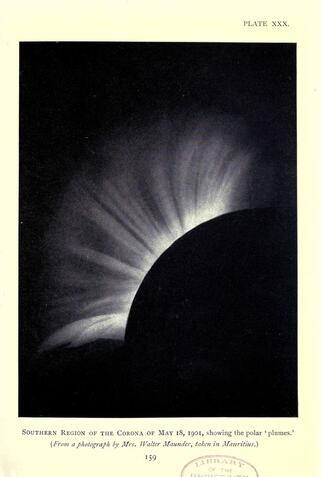
Annie Maunder was a British astronomer and mathematician, know for recording the first evidence of the movement of sunspot emergence from the poles towards the equator. She started off as one of the few female computers at the Royal Greenwich Observatory, but had to give up her job after marrying due to civil service rules. However this didn't stop her as her husband also worked at the royal observatory giving her access to equipment which would eventually allow her to photography a sunspot emergence. Since women were still unlikely to get there work published at the time, Maunder took advantage of her husband and used his name to have her findings and work published.

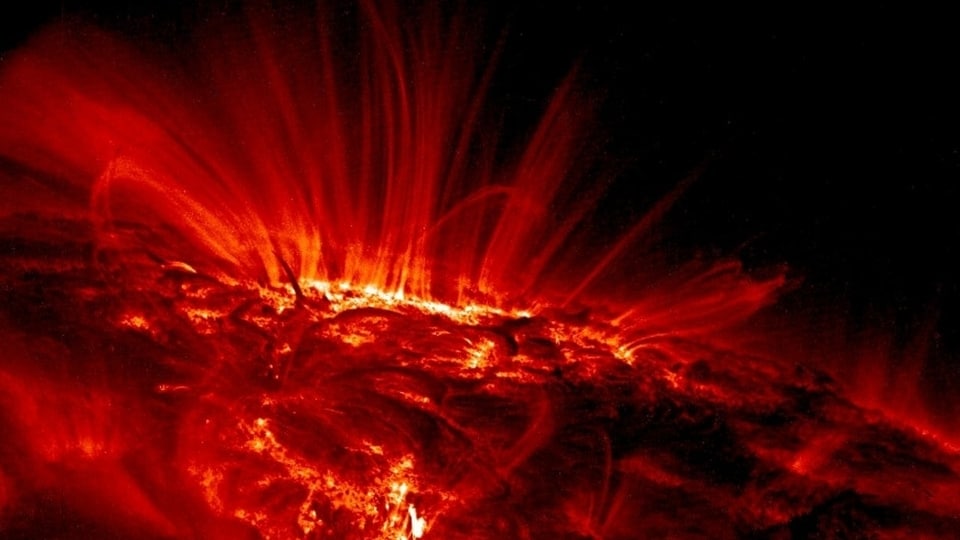
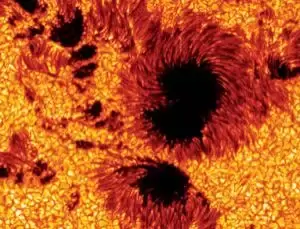
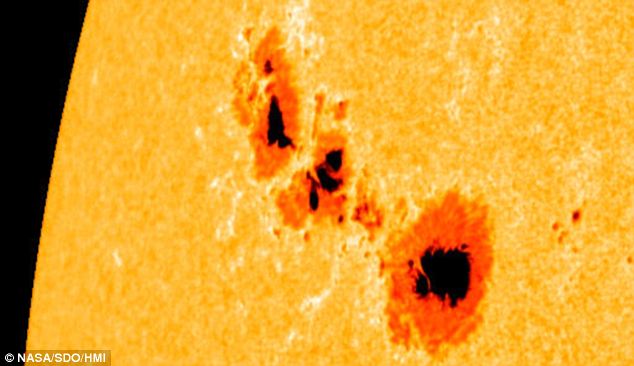
What Are sunspots?

Picture
Picture
Picture
Sunspots are a disturbance in the suns magnet field which wells up in the visible layer of the sun. These magnetic fields can active these areas and lead to activity such as solar flares. 

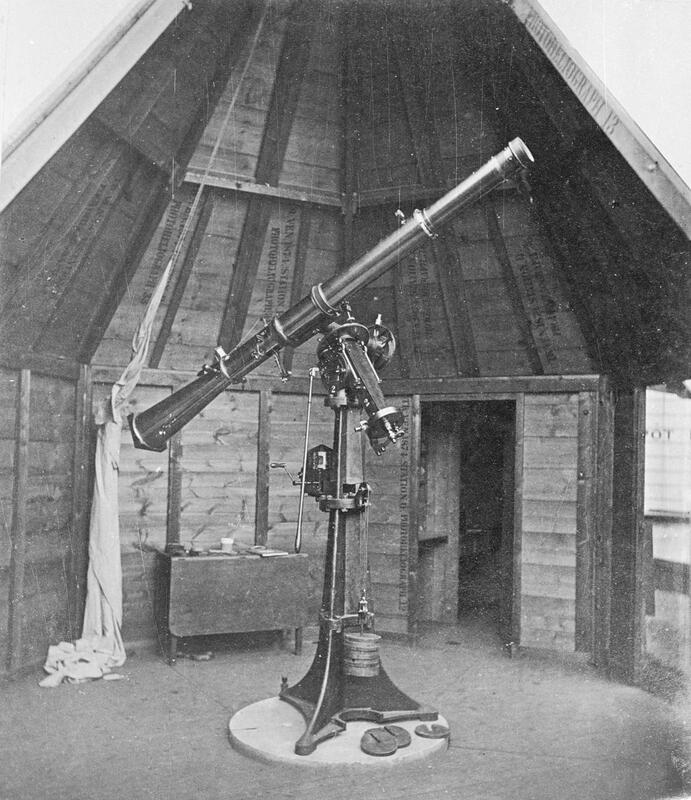
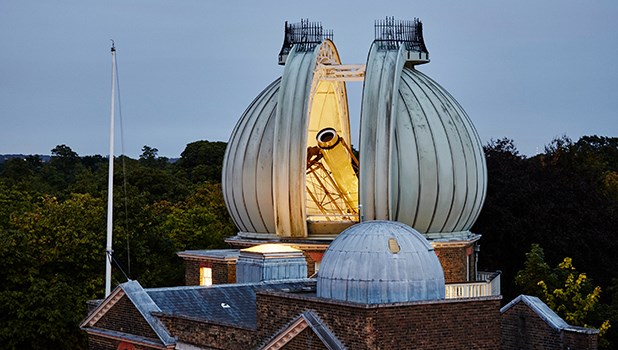
The Greenwich royal observatory and its telescope 
Picture
Picture
Picture
Picture

Womens clothing in the late 1890's

0 Comments

Research - Ada Lovelace

10/4/2022

0 Comments

 
Picture
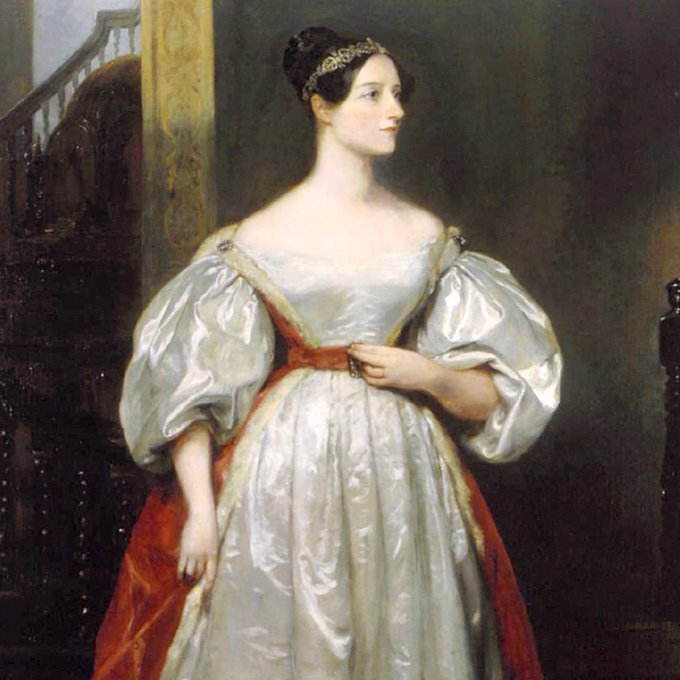
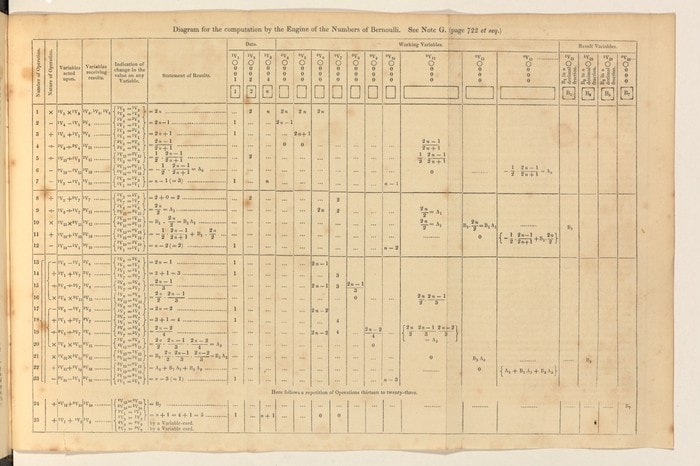
Ada Lovelace was a mathematician who has been referred to as the first computer programmer because of a program she created for a prototype of a digital computer. 
Lovelace was a lady born to Lord Byron, a famed poet and her mother Annabella Milbanke Byron who just 2 months after her birth separated. Her high status meant she was given a private education by tutors, and also received help with her self education in her advanced studies by a mathematician. 
Picture
Picture
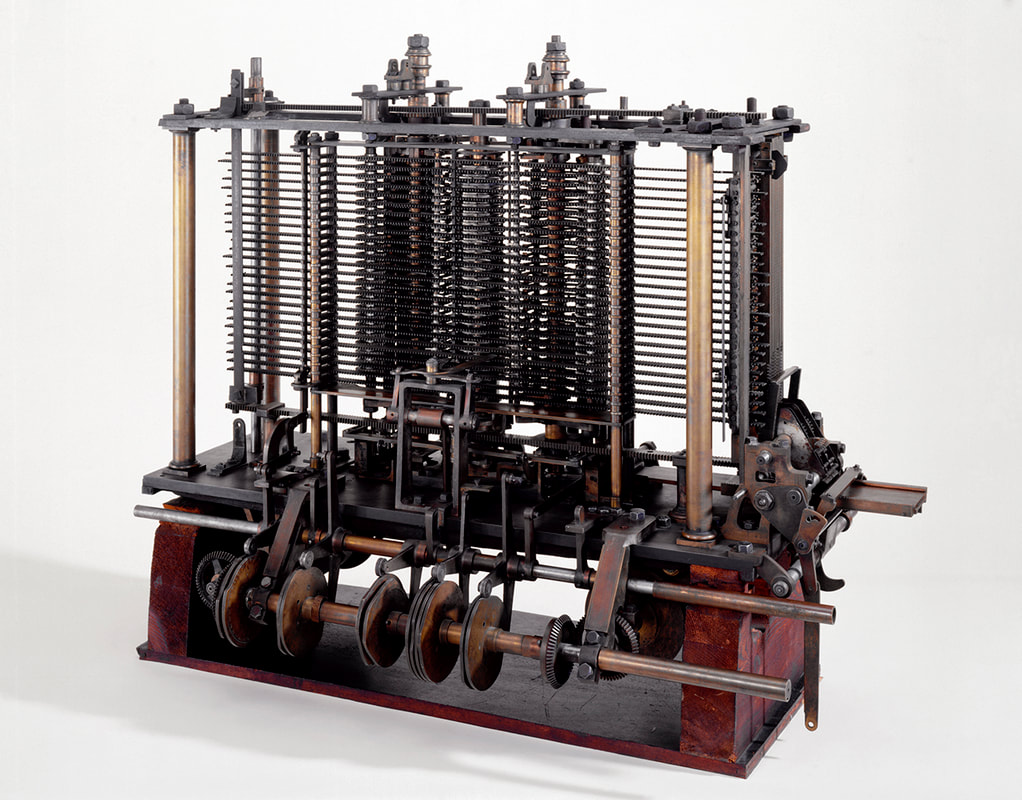
Charles Babbage's Analytic engine 
Picture

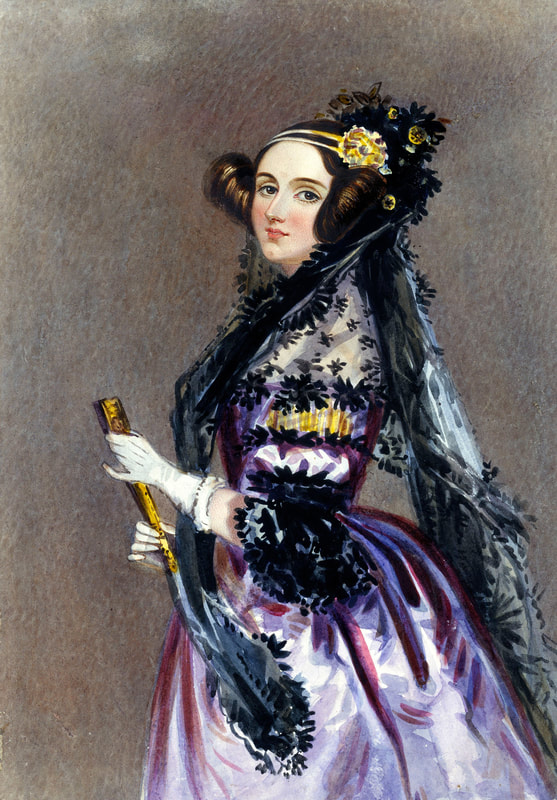
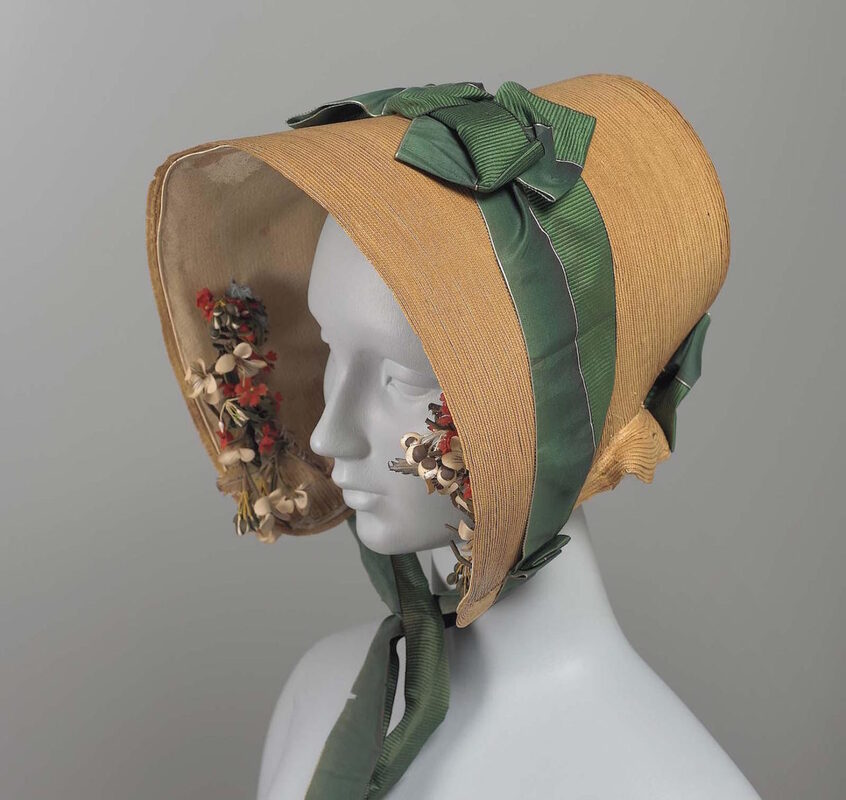
Womens fashion of the 1840's

Ada was the daughter of a Baron and was married to an earl, which meant she was very much part of the upper class. Her work on the first computer program also took place in 1843 so I wanted to focus my research on the upper class women of this time.
Picture
The upper class took fashion very seriously as it could tell you a lot about a person. What was consider acceptable depended on the situation such as whether it was daytime or the evening, or if one was in their home or out in public. A lady would not wear an evening gown in the daytime, and she would not leave the house without a bonnet and coat. 
0 Comments

Research - Mary Anning

10/2/2022

0 Comments

 
Picture
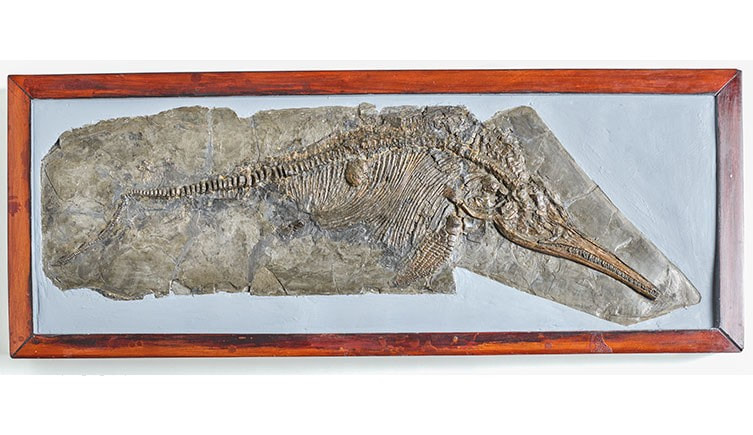
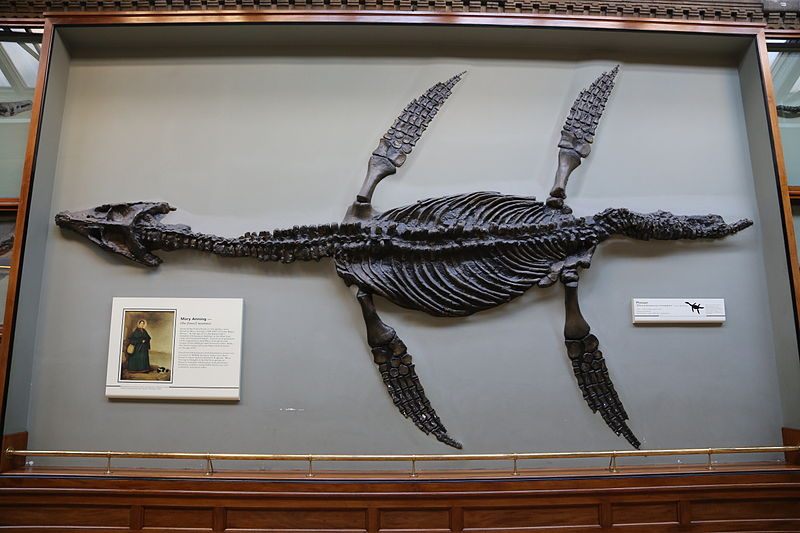
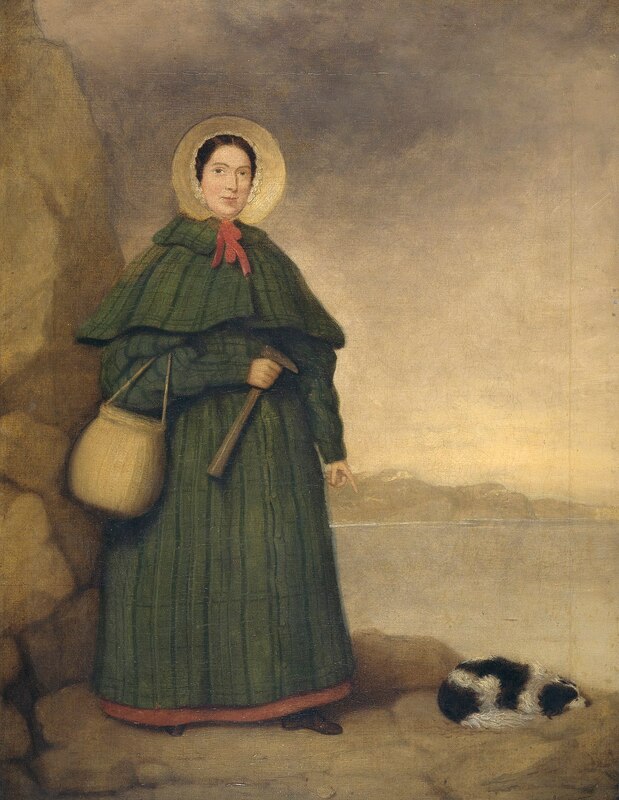
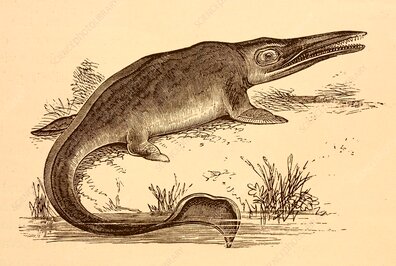
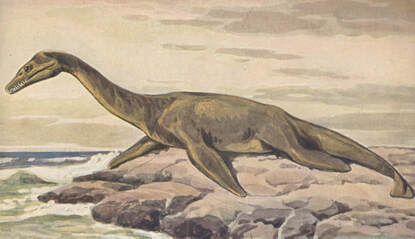
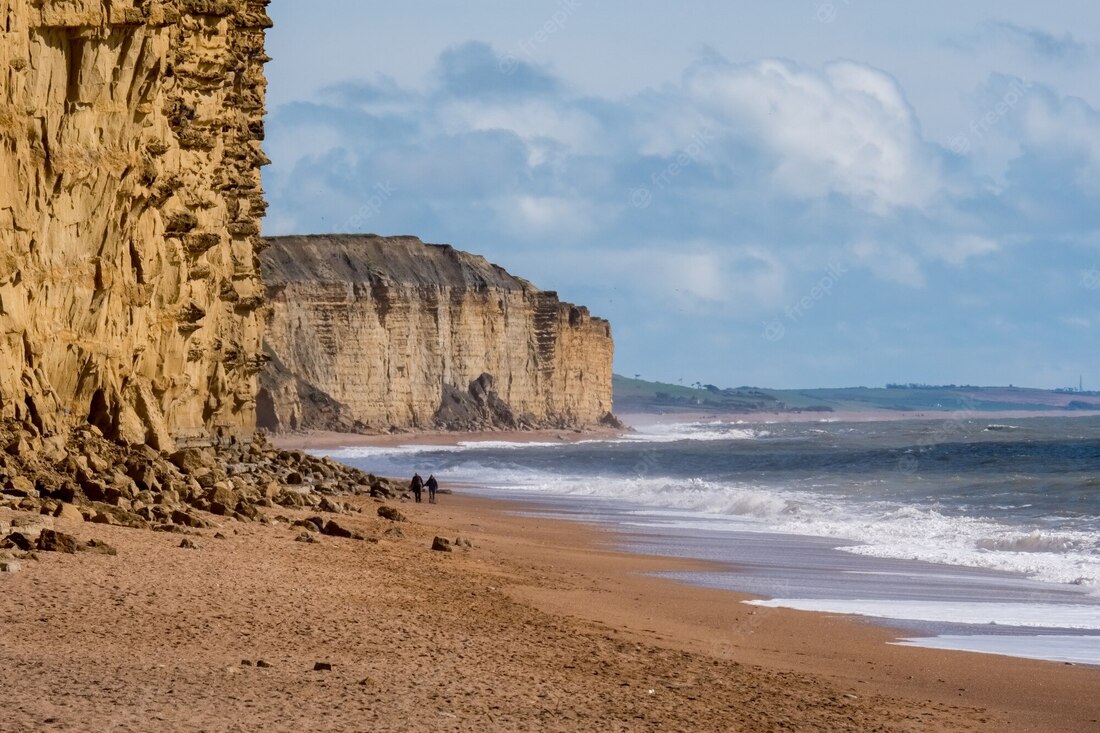
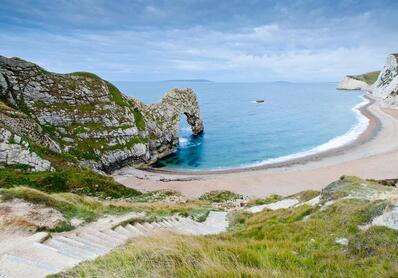
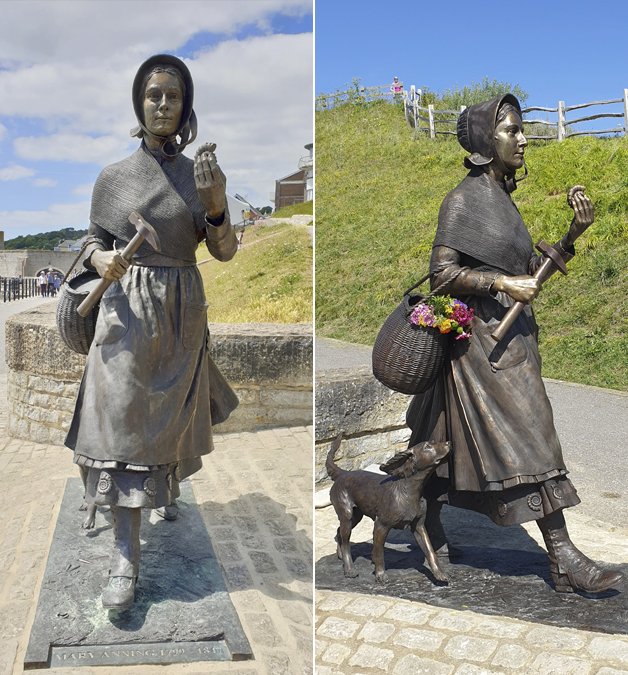
Mary Anning was a fossil collector and pioneering palaeontologist who was born and grew up in Lyme Regis, which is now known as the Jurassic coast due to the many fossils found there. Her interest in fossils began through her father who would allow her to accompany him on his search for fossils, showing her how to find them and clean them. The fossils they would find would be put in their shop as a way to make money, as Mary and her family were of the lower class and had very little money. This also meant she was unable to get a full formal education and had to teach herself geology and anatomy as fortunately she could read.
Picture

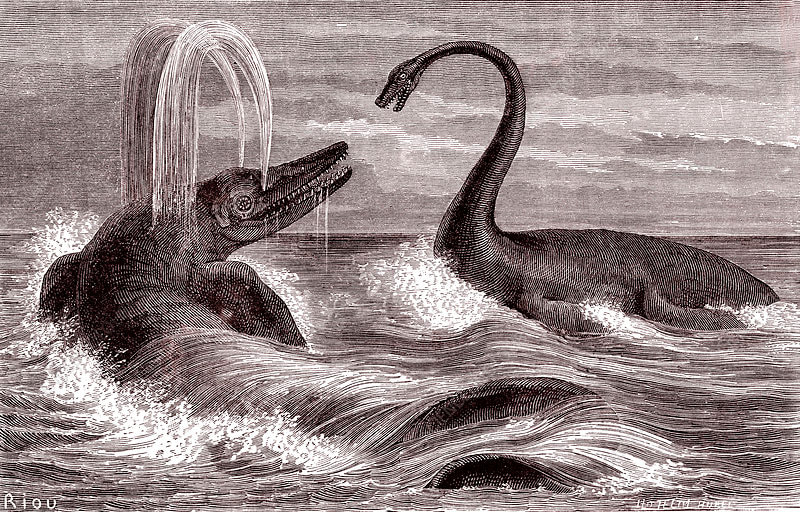
Anning's Discoveries 

Picture
Picture
Picture

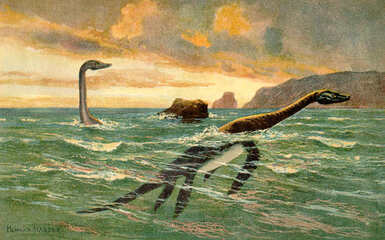
19th century depictions of a ichthyosaur and plesiosaur 

Picture
Picture
Picture
Picture

Lyme Regis - Jurassic coast 

Picture
Picture

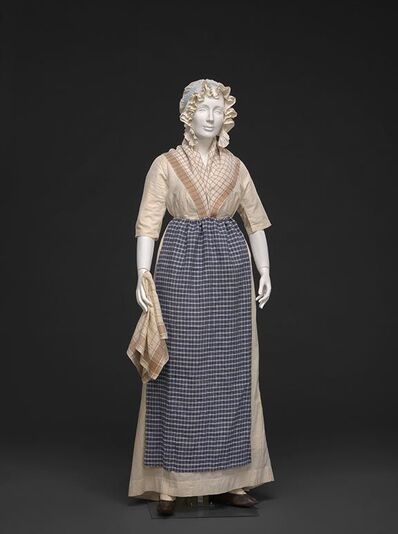
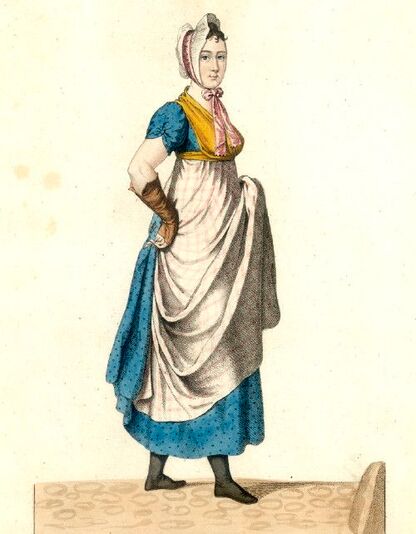
1820's Working women's clothing 

Mary Anning came from a low social status and her family were constantly trying to make money, so its unlikely she was wearing the same clothes as the fashionable elite of the time. Since the 1820's was the regency era, the empire waistline was all the rage and even though working women couldn't afford the fancy dresses of the time they could alter their garments to fit in with the trend.
Picture
Picture
0 Comments

Brief

9/27/2022

0 Comments

 
You're tasked with illustrating a set of 4 stamps which commemorate or celebrate some aspect of British history or culture that you deem worthy of the honour. You will also have to devise some sort of container / presentation for your set. These often come in the form of booklets, backing cards or folders (collectors love this stuff).

Your stamps should be striking additions to the contemporary collection and should  function/communicate/be legible at their intended print size, which is 38x20mm (plus 1mm surround of non printed surface area = 40x22mm).

The stamps should include the monarch's profile
The stamps should include their monetary value
(Your research will suggest the standard practice for these details)

The series should share an aesthetic approach which identifies them as, inarguably, a series.

The subject of your set will be agreed upon by Tony / Dwayne before you begin work toward outcomes. The challenge of producing the stamps will work best if your choices are somewhat believable. e.g:

A set of stamps based on Fortnite - no

A set of stamps based on little known heroes of WW2 - yes

A set of stamps based on the current Netflix must watch TV series - no

A set of stamps based on weird/cult British sci-fi of the 70s - yes

DON'T confuse things you know about and like, with things that would make great subject matter. 

Here are some initial categories to consider:

• History
people, events, places

• Culture
Literature, music, art, entertainment, film & TV 

• Science & engineering
Invention, understanding, achievement ​
For this project I have chosen to make stamps that celebrate British female scientists and the discoveries or contributions they have made for Britain. When looking into different female scientists I wanted to find four of them know for doing very different things from one another. In the end I have decide to look into Mary Anning, Ada Lovelace, Elizabeth Garrett Anderson, and Anne Maunder. 
0 Comments
Forward>>

    Author

    Write something about yourself. No need to be fancy, just an overview.

    Archives

    December 2023
    October 2022
    September 2022

    Categories

    All

    RSS Feed

Site powered by Weebly. Managed by 34SP.com
  • Home
  • Contact
  • University
    • Year 1 >
      • Semester 1 >
        • Art history
        • Introducing visual communication >
          • The comic
          • Technical skills
          • Drawing and visualising
          • Colour, composition, and linear narrative
      • Semester 2 & 3 >
        • Multi-dimensional Illustration >
          • 2D
          • 3D
          • 4D
        • Visual problem solving >
          • DIY alphabet
          • Type talk
          • Mini briefs
    • year 2 >
      • semester 1 >
        • Drawing >
          • Life Drawing
        • Illustrators toolkit
      • Semester 2 >
        • The Critical Illustrator
        • Illustration Projects >
          • Conceptual Editorial Illustration
          • Literal Illustration
          • Children's Book
          • Protest Pack
          • Anne Magill
    • Year 3 >
      • semester 1 >
        • Advanced Illustration >
          • Stamps
          • Book Jackets
          • Self Authorship
      • Semester 2 >
        • Final Major Project >
          • A Safe Haven
  • Portfolio